
On February 9, reports emerged about a mysterious model called Pony Alpha that has recently gained popularity on the model aggregation platform OpenRouter. Without a launch event, academic paper, or even a disclosed manufacturer, it has quickly attracted attention among developers and model enthusiasts due to a series of unexpectedly impressive real-world performance metrics.
According to OpenRouter, this model is the next-generation foundational model from an undisclosed manufacturer, demonstrating strong capabilities in programming, reasoning, and role-playing, with optimizations for agent workflows and high accuracy in tool invocation.
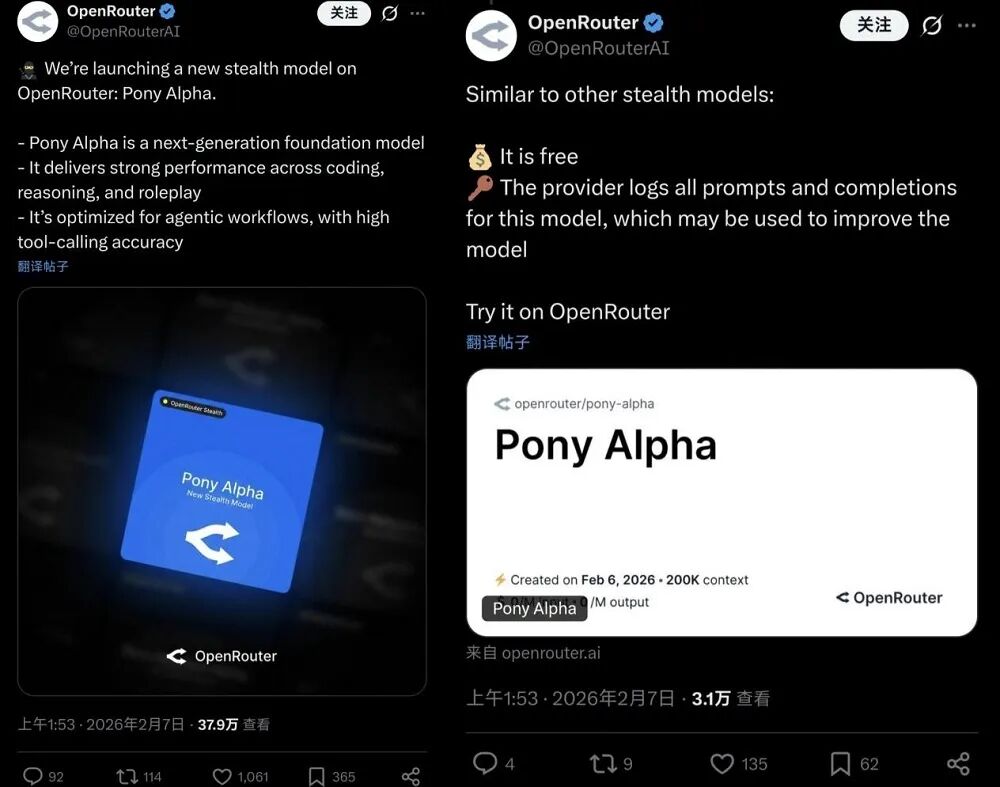
User feedback from those who have tested Pony Alpha has been overwhelmingly positive. One blogger tested it with a secret SVG generation task, resulting in an impressively high-quality output that made him question whether the answers had been leaked.
Another developer shared that after letting Pony Alpha code for three hours, it successfully created a playable version of Pokemon Ruby, achieving a level of detail that was even more faithful to the original in certain aspects.
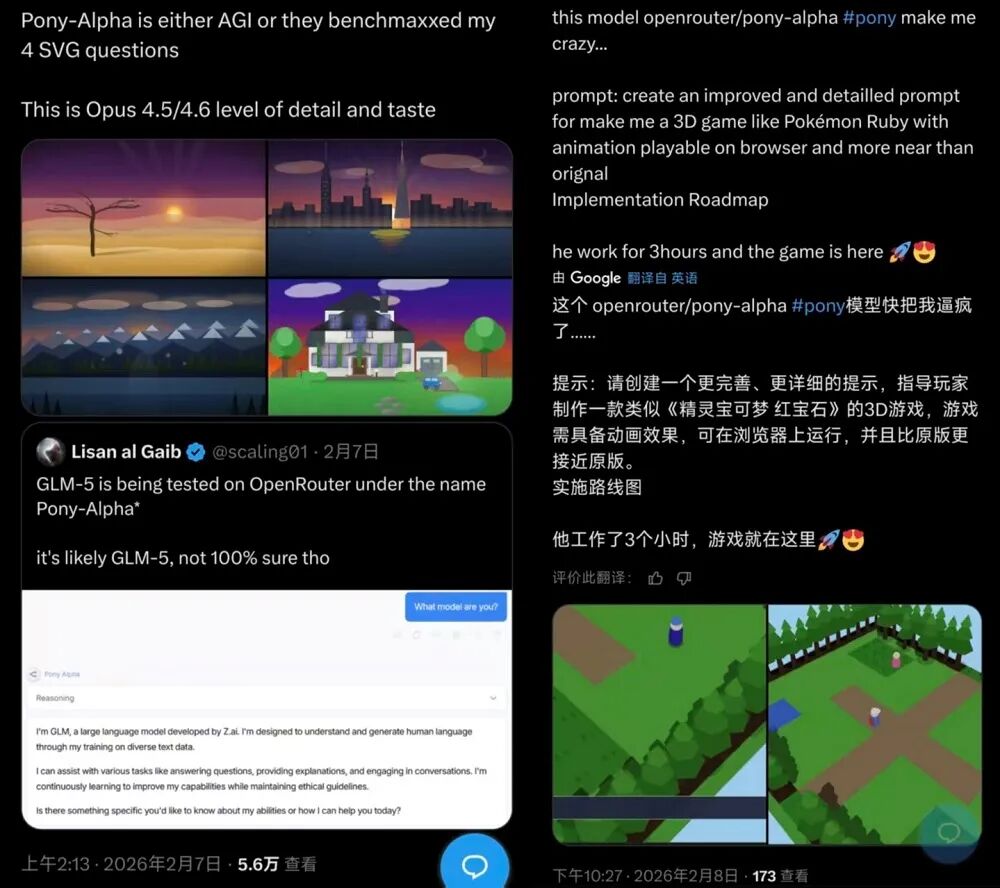
Due to its extraordinary performance, the “mystery” surrounding Pony Alpha has become a hot topic of discussion. Some speculate it could be Anthropic’s Sonnet 5, given its familiar coding abilities; others think it might be the long-rumored DeepSeek-V4; while many believe it could be an early test of the next-generation model GLM-5 from Zhipu.

So, what are Pony Alpha’s true capabilities? Are these rumors backed by technical evidence? Let’s set aside speculation and evaluate its performance through a series of tests to see how far this “Pony” can run.
01. Initial Experience with Pony Alpha: From Data Dashboards to Algorithm Visualization
Pony Alpha is currently available for free on OpenRouter, allowing users to interact with the model directly via the web or through API calls, with a context window of 200K.
As Pony Alpha is primarily focused on programming, we centered our tests in this domain.
The first case was a “mini data dashboard”. The prompt required inputting a set of numbers to generate real-time maximum, average, minimum values, and volatility, accompanied by smooth animated updates.
This prompt primarily assesses three abilities: accurate understanding of statistical metrics, frontend structure organization, and the finesse of animation and state updates.
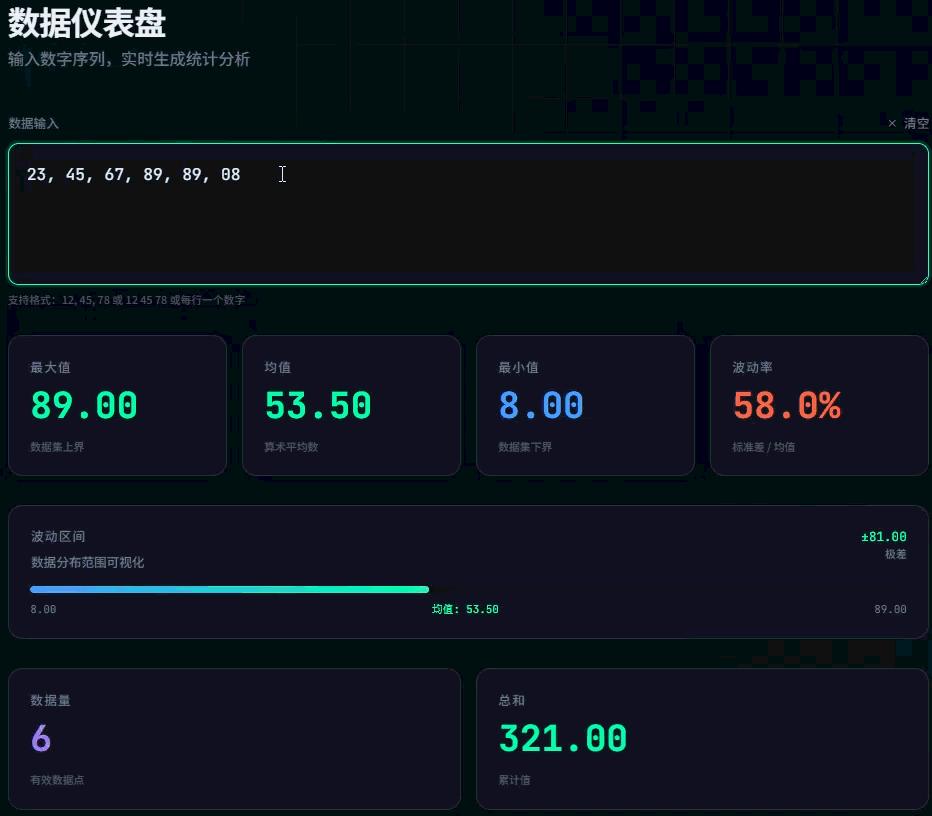
Pony Alpha’s webpage for the “mini data dashboard” showed no discrepancies in metric calculations, with animations employing transitions rather than abrupt refreshes, achieving a high overall completion level.
The second case involved SVG cartoon scene generation. The prompt was very specific, detailing size, theme, elements, style, and requirements, with the core challenge being the model’s ability to maintain consistency under complex constraints.

The model’s final SVG output was structurally clear, with logical layer relationships. Elements like sunlight halos, wave curves, and coconut tree shadows were accurately implemented, with saturated colors that were not overexposed, avoiding simple graphic stacking.

The third case was algorithm visualization. We asked the model to convert sorting or pathfinding algorithms into animations, essentially mapping steps to temporal and spatial changes, testing both programming and reasoning abilities.
Pony Alpha excelled here: color changes corresponded to states, rhythm reflected algorithm progress, and path evolution intuitively presented the decision-making process, indicating it could not only write code but also explain complex concepts through code.
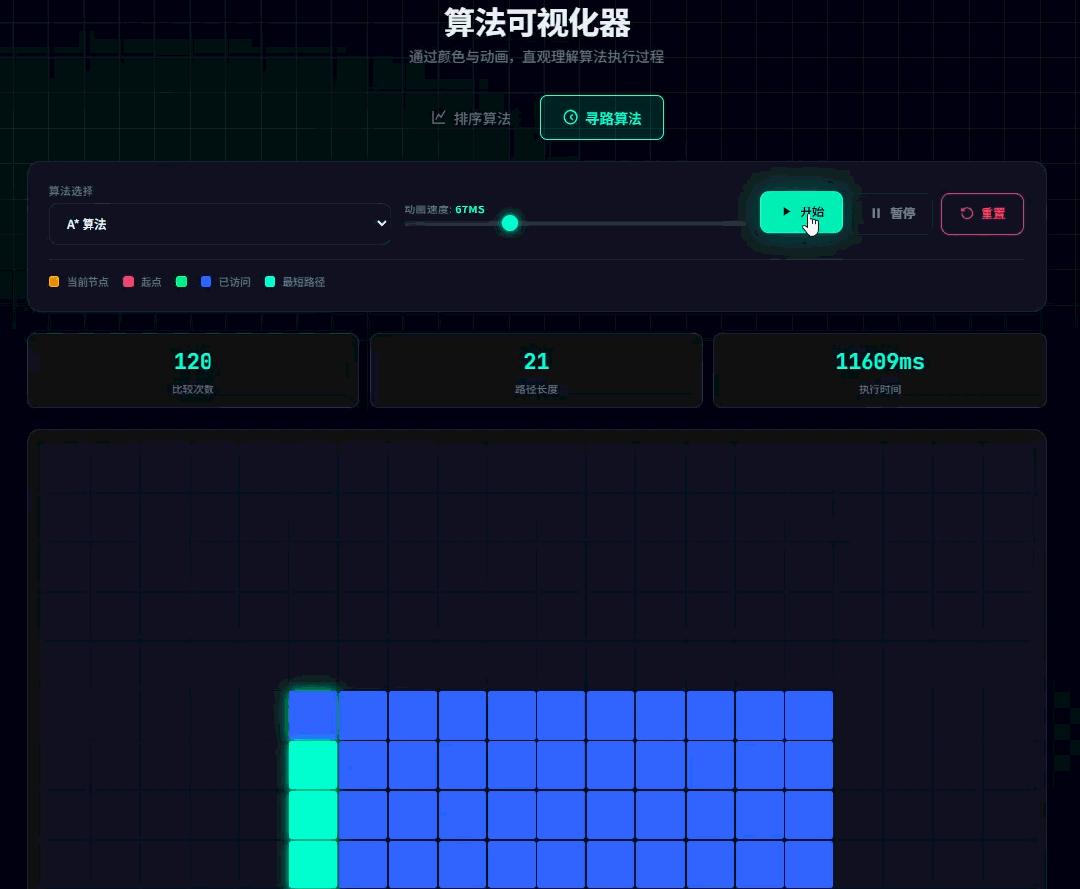
After completing these three cases, it was evident that Pony Alpha has surpassed the current mainstream models in terms of being “capable, visually appealing, and easy to understand.” Next, we aimed to place it in more complex scenarios requiring prolonged reasoning to see if it could maintain its creativity.
02. Architect Thinking in Action: Recreating Stardew Valley from Scratch
The previous cases primarily validated the model’s ability to “write code,” essentially executing low-complexity tasks. The true differentiator is whether the model possesses Agentic Coding ability—the capacity to understand problems from a systems perspective and autonomously advance complex projects over time.
This means the model must decompose system-level requirements like a seasoned architect, maintaining context coherence and goal alignment throughout prolonged operations. We decided to stress-test Pony Alpha by recreating the well-known game Stardew Valley.
Here is the prompt we sent to Pony Alpha. For professional human developers, recreating a game like Stardew Valley typically involves thousands of lines of code, managing game loops, scene management, player and NPC behavior logic, crop growth, plot management, UI, inventory, and save systems, among various mechanisms and entities.

Additionally, it must ensure consistent module interfaces, logical synchronization, smooth animation rendering, correct event interaction responses, and consider performance optimization for the code to be practically usable, extensible, and debuggable.
How would Pony Alpha tackle this challenge? Upon receiving the prompt, Pony Alpha first acted like a project manager, analyzing the core requirements from our complex prompt and outlining the eight major systems and color schemes to guide subsequent development.

Next, Pony Alpha transformed into a system architect, planning the overall project structure. Upon opening the source files, we observed that the project adopted a basic yet universal frontend resource structure, with a clear modular approach in the JS project structure: separating models, rendering, and systems, making it suitable for small to medium-sized projects.
Guided by this philosophy, Pony Alpha created a preliminary playable game interface with a unified visual style, full of healing aesthetics, and a clear core gameplay logic. Actions like tilling (land), sowing (seeds), and watering (watering can) functioned properly, and the stamina consumption system was also reasonably designed.

Of course, this was still a purely frontend demo. To make it more engaging, we further challenged Pony Alpha: to add a data saving mechanism and enhance the game’s visuals.

After understanding our requirements, Pony Alpha provided multiple technical solutions to choose from.
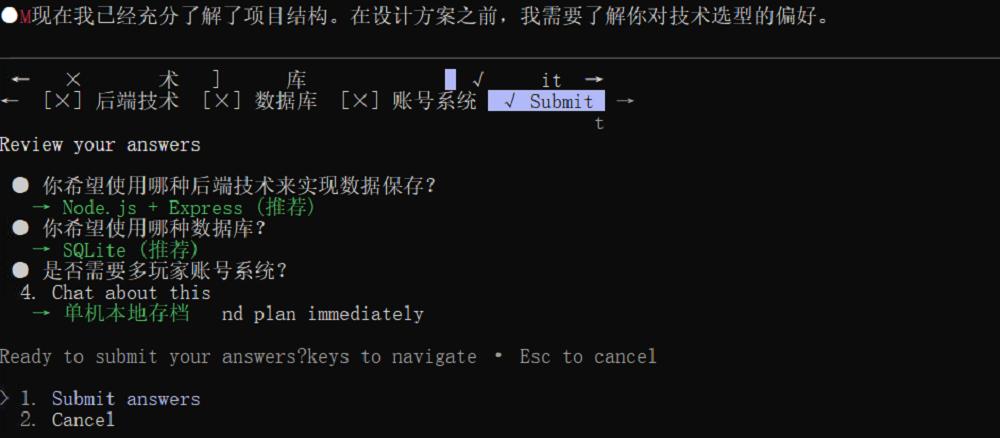
After optimizing the project, Pony Alpha developed a backend server and database, completing a frontend save manager, and coded continuously for over 10 minutes without any human intervention.
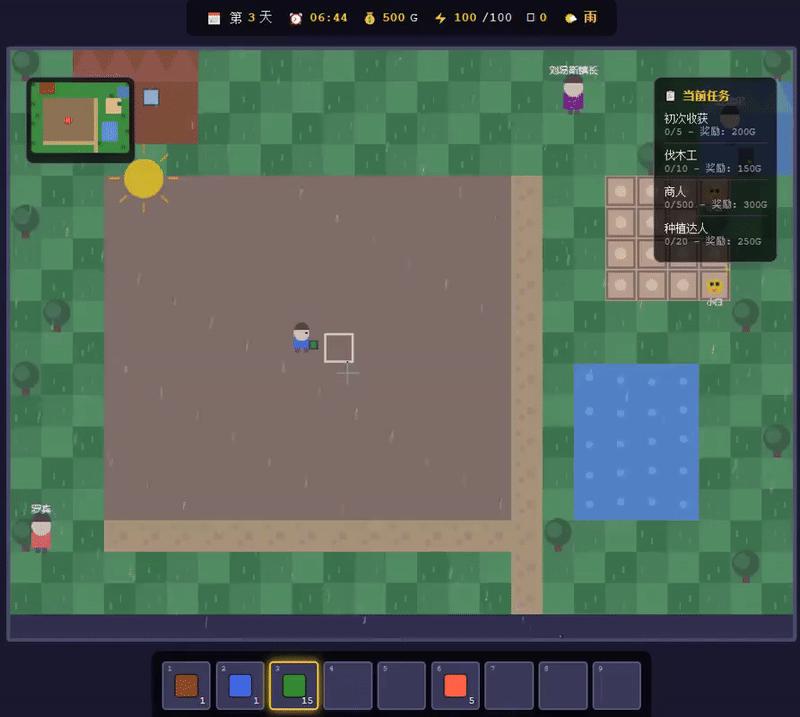
After the upgrade, Pony Alpha significantly optimized the original design, moving the inventory and item bar to the bottom of the page, allowing the virtual world to take visual precedence. The lakes, grasslands, and trees in the visuals became more detailed. A weather system was also introduced, dynamically presenting sunny, cloudy, rainy, and even snowy conditions, making the entire world more vibrant and realistic.
03. Deep Dive into Legacy Code: Real-World Code Refactoring
In a real enterprise environment, developing new features is only part of the engineering process; more often, programmers face existing, complex, and historically entrenched “legacy” codebases. These systems often contain implicit rules, technical debt, and historical behaviors, making understanding existing code, pinpointing issues, and safely modifying it more challenging than starting from scratch.
Thus, the value of AI in enterprises lies not only in generating new code but also in effectively understanding, debugging, refactoring, and incrementally developing existing projects. Next, we will evaluate Pony Alpha’s performance in such engineering tasks through practical tests.
We first used Pony Alpha, along with manual input, to create a seemingly outdated financial system. At first glance, this system only appeared to have an outdated UI, but delving into the code revealed larger issues (of course, these were tasks we requested Pony Alpha to perform, not a reflection of its inherent capabilities).

We found that variable naming was chaotic, function responsibilities were unclear, some special mysterious accounts were subtly hidden in if branches, and there were random batch operations and implicit dependencies on historical data.
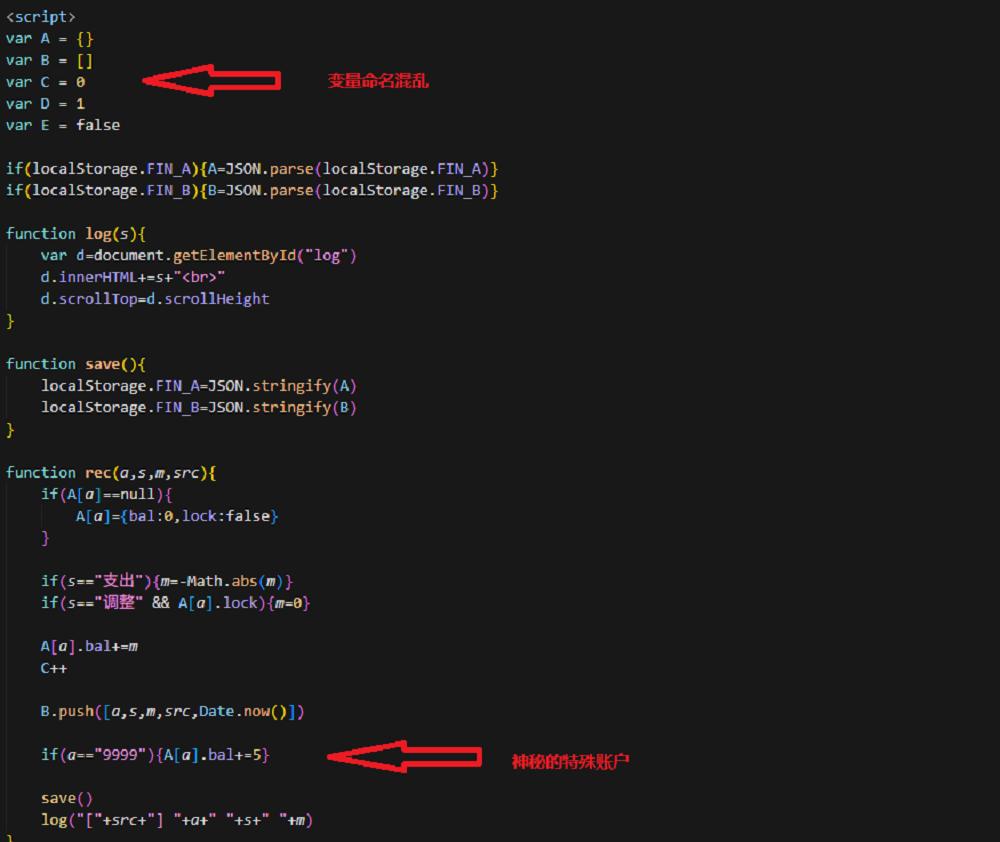
After clearing the context, we asked Pony Alpha to eliminate the issues it had just created.
For human programmers, such legacy systems can be a nightmare; without a reliable AI’s assistance, you might never know if refactoring will inadvertently delete a critical legacy logic.
AI models can easily stumble in such scenarios; they may attempt to unify rules and eliminate duplicate logic but overlook that some technical realities represent business compromises or true states, and arbitrary modifications could lead to larger bugs.
We sent Pony Alpha the following prompt, essentially asking it to refactor and modernize the code while ensuring the system could seamlessly replace the original modules.
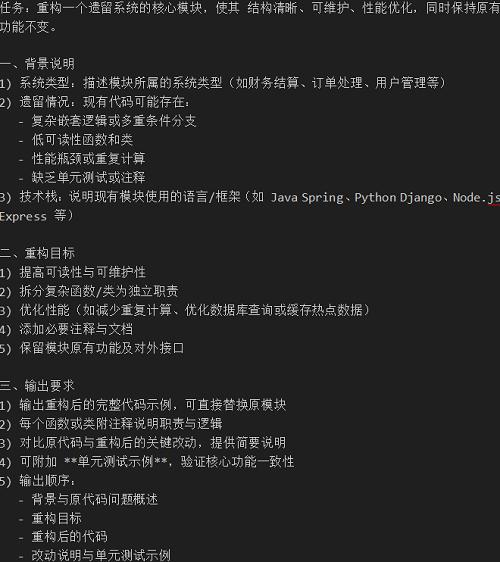
Pony Alpha did not rush to modify; instead, it first conducted an analysis. It could understand that this was a financial system and accurately assess the technology stack in use.

To clarify the issues, Pony Alpha categorized them by severity.

Guided by the refactoring objectives it set, Pony Alpha began the transformation.
Ultimately, Pony Alpha successfully delivered a more modernized version. This refactored financial system not only retained all the original functionalities but also preserved the hidden logic of the “9999” special account, which might have been intended for leadership use, showcasing its technical and emotional intelligence.

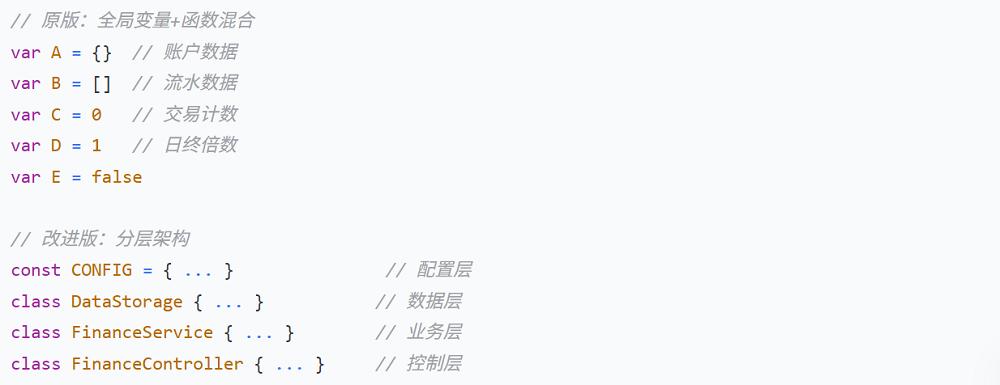
Now, let’s take a look at the underlying code. In the original version, global variables and functions were mixed together, whereas Pony Alpha’s modified version showed a clear improvement in architecture clarity, with configuration, data, and business layers distinctly separated, and dependency relationships clearly defined for easier unit testing.
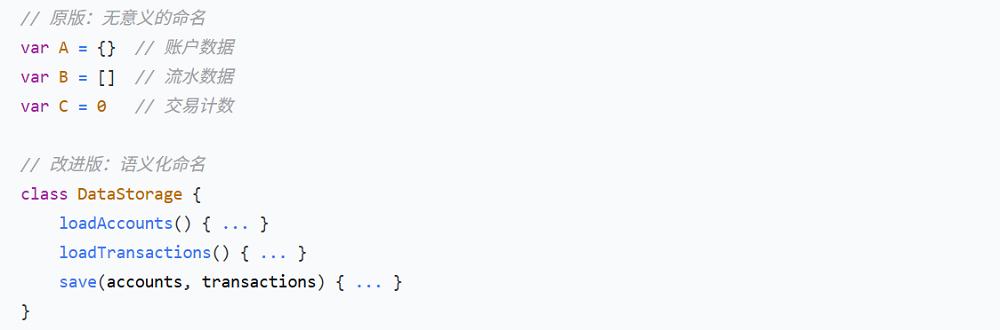
Previously chaotic variable names were standardized, transforming meaningless letters into semantic names, making it easier for colleagues who take over the code later to understand the logic.
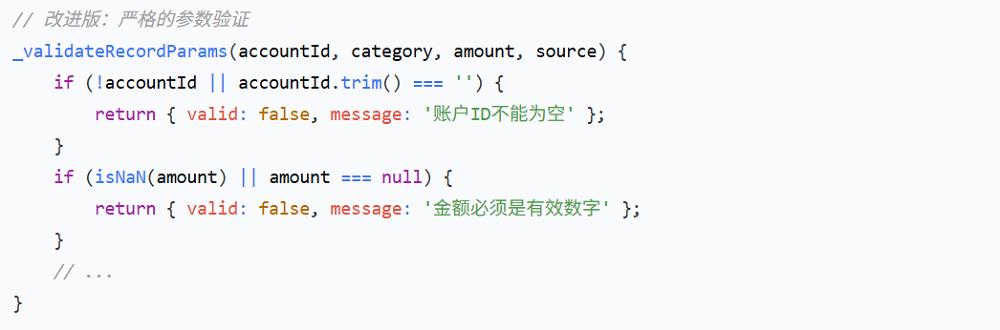
Additionally, Pony Alpha proactively added various security and maintainability features that were not explicitly requested in the prompt. For example, input validation can prevent users from missing critical information, while the data loading fault tolerance mechanism can prevent program crashes.
Honestly, watching Pony Alpha meticulously sort and optimize this pile of outdated code while preserving key logic felt like working with a patient and reliable master craftsman, making the work environment much more reassuring.
04. Conclusion: A Next-Generation Flagship Model is Coming
After multiple rounds of testing, Pony Alpha presents an overall user experience akin to an Opus-level next-generation flagship foundational model, rather than just a minor version update.
It demonstrates a clear generational difference in dimensions that truly determine productivity, such as long context handling, complex engineering understanding, and execution stability. This may represent a concentrated release of capabilities honed over a long period by a manufacturer, optimized for real development workflows. As for its true origin, no conclusion has been reached yet.
However, it is certain that if this “Pony” is indeed a long-awaited breakthrough from a domestic manufacturer, then the competition in high-level programming and engineering agents among domestic foundational models may have already entered a new phase.
Comments
Discussion is powered by Giscus (GitHub Discussions). Add
repo,repoID,category, andcategoryIDunder[params.comments.giscus]inhugo.tomlusing the values from the Giscus setup tool.